Styles · B
Japanese Modern Interior Design
Engawa calm: shoji light, dark wood and rooms that breathe.
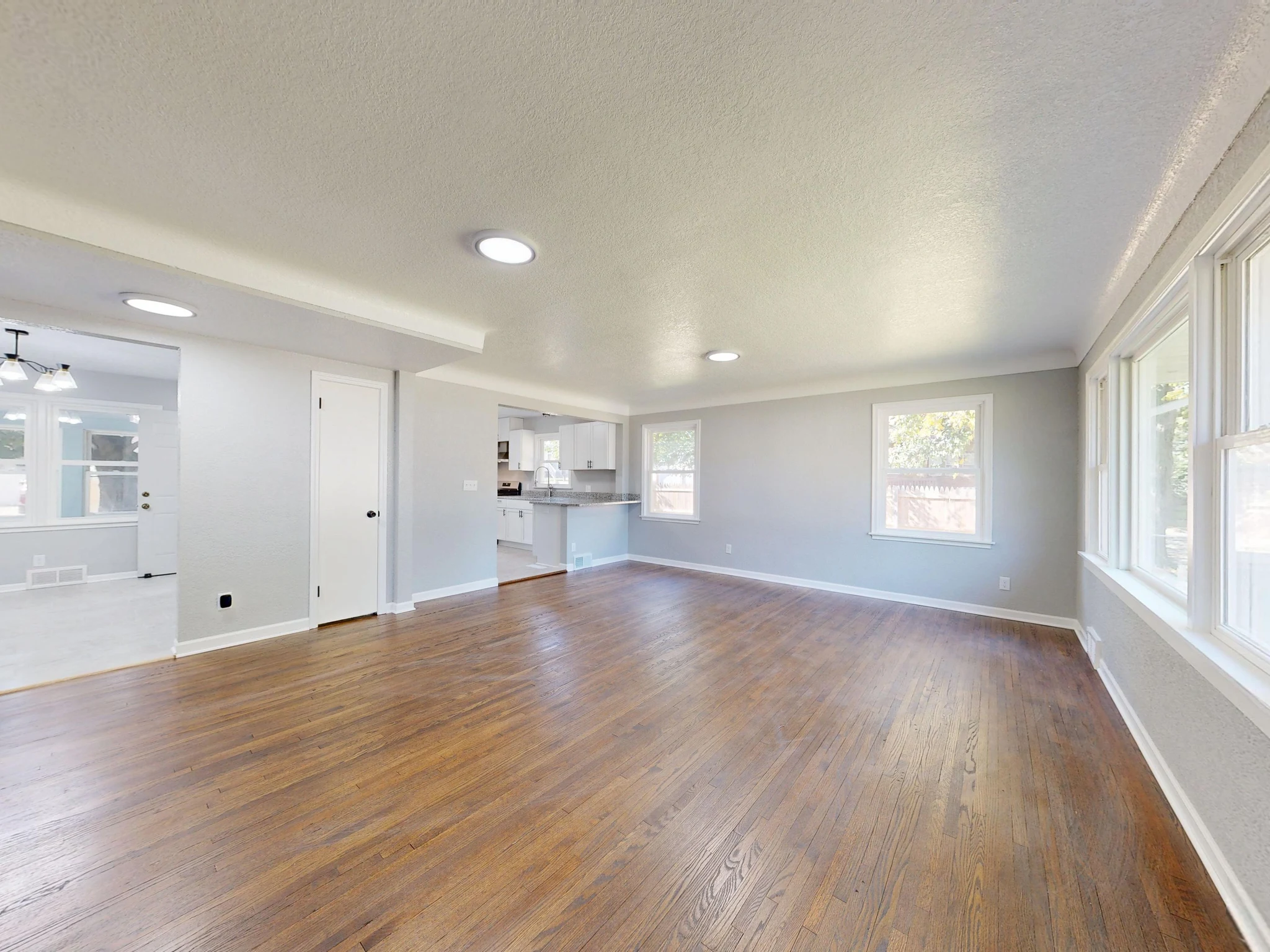
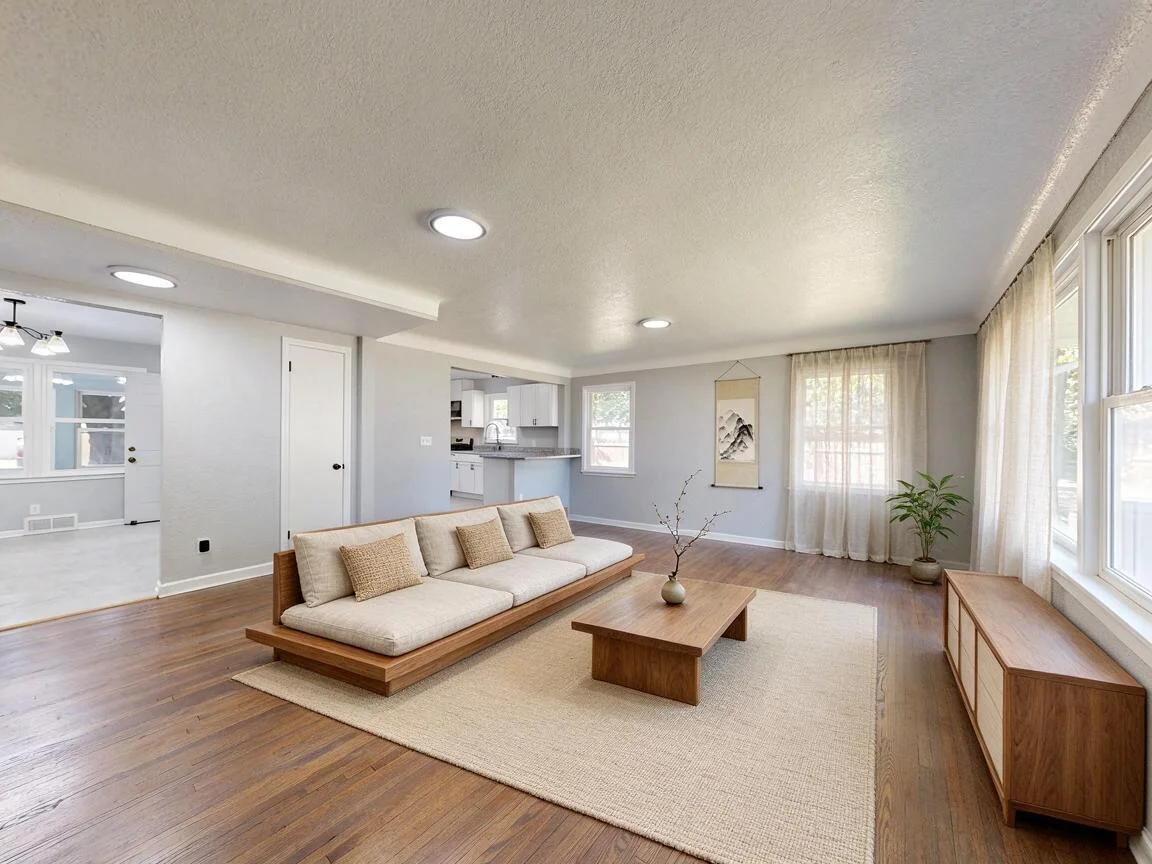
Japanese modern interiors descend from centuries of ma — the held emptiness between things. Rooms are framed by dark wood, paper or shoji-textured light and low, floor-oriented furniture; decoration is a single ikebana stem or a scroll, and silence is treated as a feature.
Materials and texture
A narrow, precise kit: dark-stained cedar and ash, shoji or rice-paper screens, tatami texture, washi lamp shades and stone ceramics. Every material is natural and left to speak quietly — no gloss, no print, no pattern beyond wood grain.
Color and light
Warm whites and paper tones against near-black wood frames, with one earth accent — moss, clay or indigo. Light enters filtered and diffuse; evening light pools low from floor lamps and paper shades rather than ceiling spots.
Furniture and layout
Furniture stays low: a platform sofa or floor seating around a low table, storage hidden in long, handle-free runs. Layouts respect open floor as a design element — the empty center of the room is where the calm lives.
How to get the look
- Choose dark wood frames against warm paper-white surfaces
- Filter light: shoji-effect panels, washi shades or sheer screens
- Keep furniture below window height where possible
- Decorate with one ikebana arrangement or one scroll — never both
- Preserve an empty zone; resist filling every corner
Japanese modern vs Japandi
Japandi is the diplomatic cousin — Japanese restraint softened with Scandinavian warmth and softer woods. Japanese modern stays closer to the source: darker woods, stricter geometry, more deliberate emptiness. Japandi makes the room friendlier; Japanese modern makes it more precise.
Palette
See this style on your own photo
Upload one ordinary phone photo and see your room restyled in about seventeen seconds.
Common questions
What is Japanese modern interior style?
A contemporary take on Japanese interiors: dark wood frames, shoji-style filtered light, low furniture, natural textures and deliberate empty space.
Does Japanese modern style require tatami?
No. Tatami can be referenced through flooring or mats, but the style works with any floor once the low furniture, filtered light and empty space are in place.
Can AI preview Japanese modern in my room?
Yes. Upload one photo and you will see an AI-generated japanese-modern concept for your room. Results typically keep your walls, windows and layout recognizable; treat the image as inspiration.