Styles · A
Minimalist Interior Design
Nothing extra: clean planes, hidden storage, light doing the decorating.
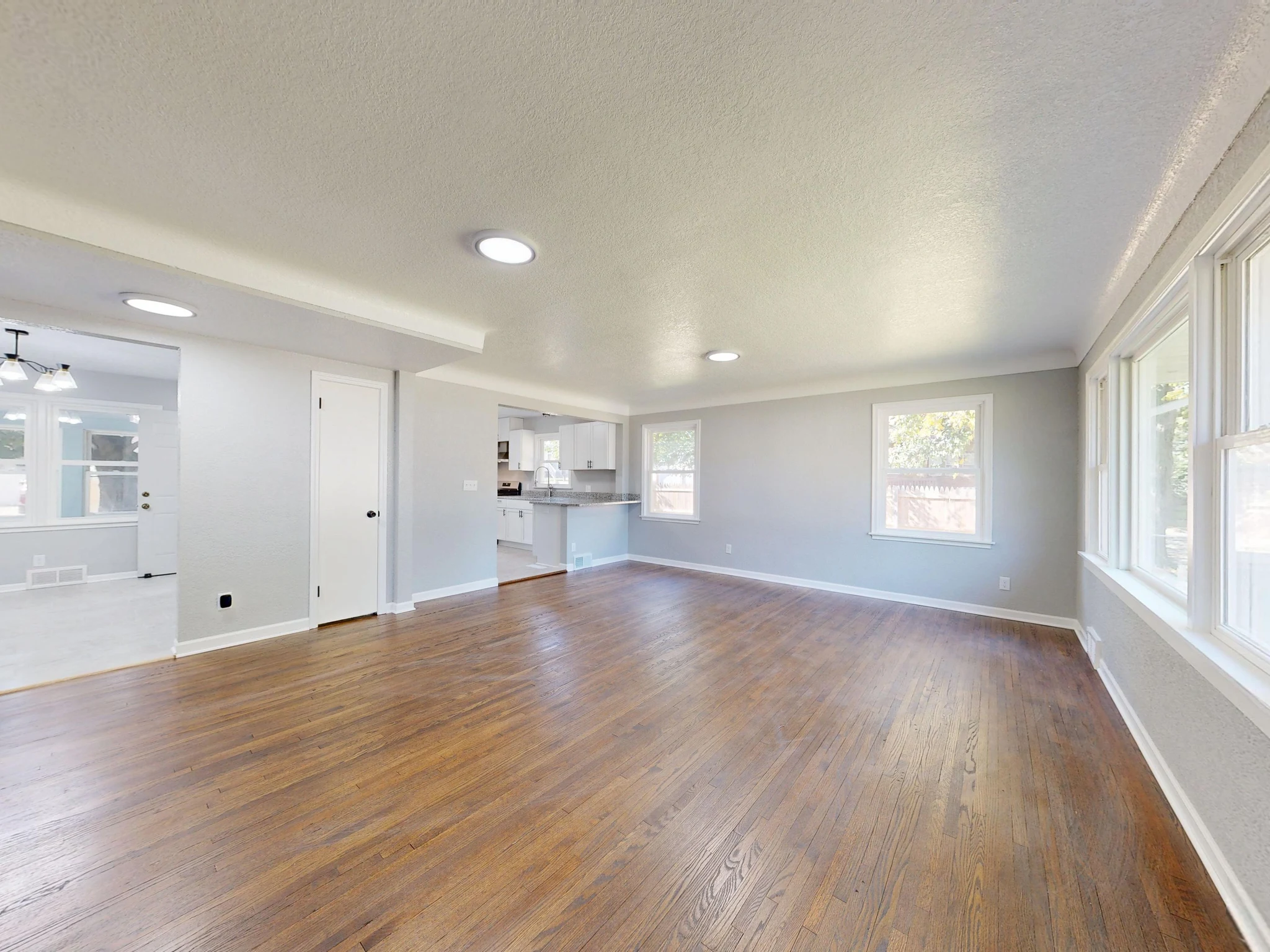
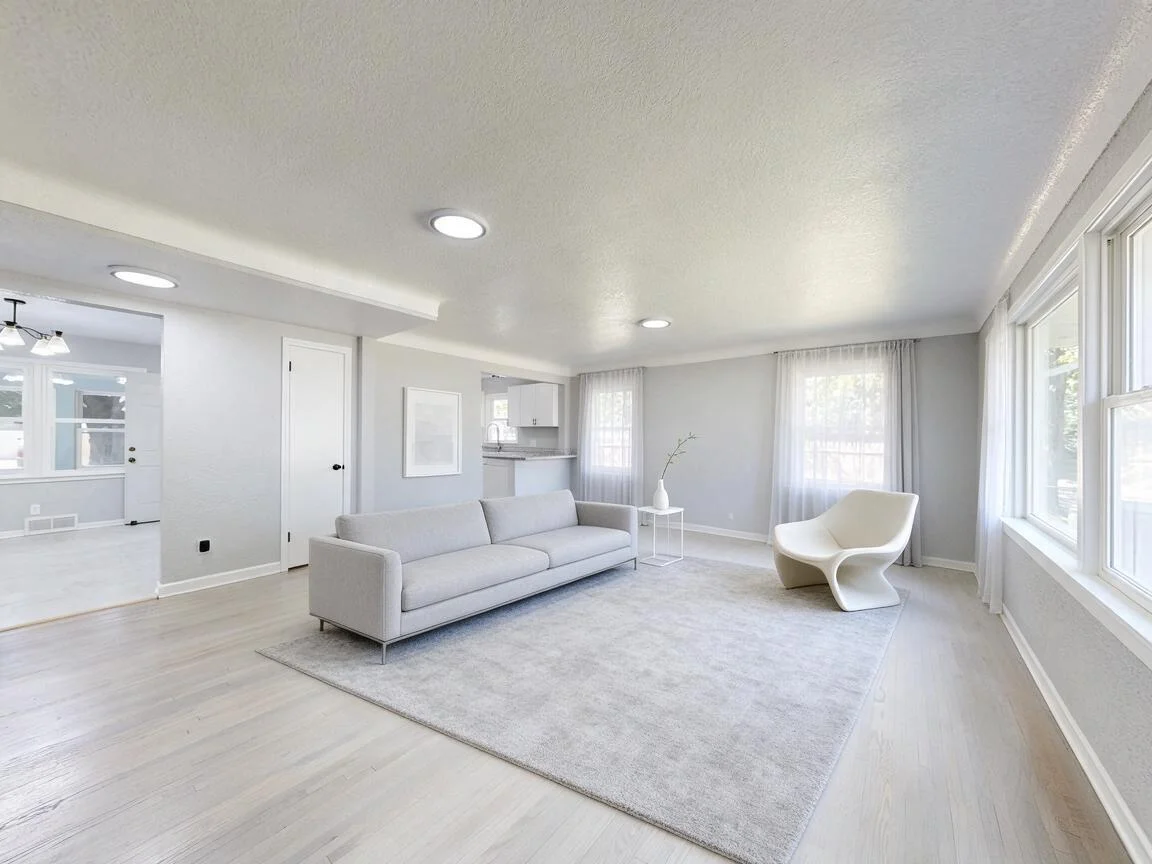
Minimalist interior design is subtraction with intent: every object removed until what remains is useful, loved or both. Done well it is not empty but exact — clean planes, honest materials, and daylight doing the decorating across surfaces with nothing in the way.
Materials and texture
Minimalism keeps a small, quiet material kit: smooth plaster walls, one wood tone, stone or micro-cement, matte textiles in white and grey. Because there are fewer objects, each material's quality is magnified — seams, joints and grain are the decoration.
Color and light
White and off-white dominate, warmed by pale wood and one restrained accent if any. Light is treated as a material: large uncurtained windows, concealed coves, lamps placed like sculptures. Shadows and reflections replace ornament.
Furniture and layout
Few pieces, each precise: one low sofa, one perfect table, storage that disappears into walls. Layouts keep clear circulation and clear surfaces — the discipline is not in owning little but in putting everything back where it lives.
How to get the look
- Clear every surface; only one object per plane is allowed to stay
- Invest in closed storage so everything visible is intentional
- Restrict the palette to two neutrals plus one wood tone
- Choose fewer, larger pieces instead of many small ones
- Maximize daylight: sheer or no curtains, mirrors opposite windows
Minimalist vs Japandi
Subtraction links the two, but Japandi warms the result with craft, earth tones and low furniture; minimalism stays cooler and more architectural — white, grey and precise lines. Japandi invites touch; minimalism lets light take the lead.
Palette
See this style on your own photo
Upload one ordinary phone photo and see your room restyled in about seventeen seconds.
Common questions
What is minimalist interior design?
A style of intentional subtraction: clean planes, a two-neutral palette with one wood tone, hidden storage, precise furniture and daylight used as the main decoration.
Does minimalism mean owning almost nothing?
No — it means everything visible is deliberate. Storage does the work invisibly; the room reads calm because clutter has a home, not because life is empty.
Can AI preview a minimalist version of my room?
Yes. Upload one photo and you will see an AI-generated minimalist concept for your room. Results typically keep your windows, walls and layout recognizable; treat the image as visual inspiration.