Styles · B
Warm Minimalist Interior Design
Minimalist bones, warm skin — wood, linen and light instead of stark white.
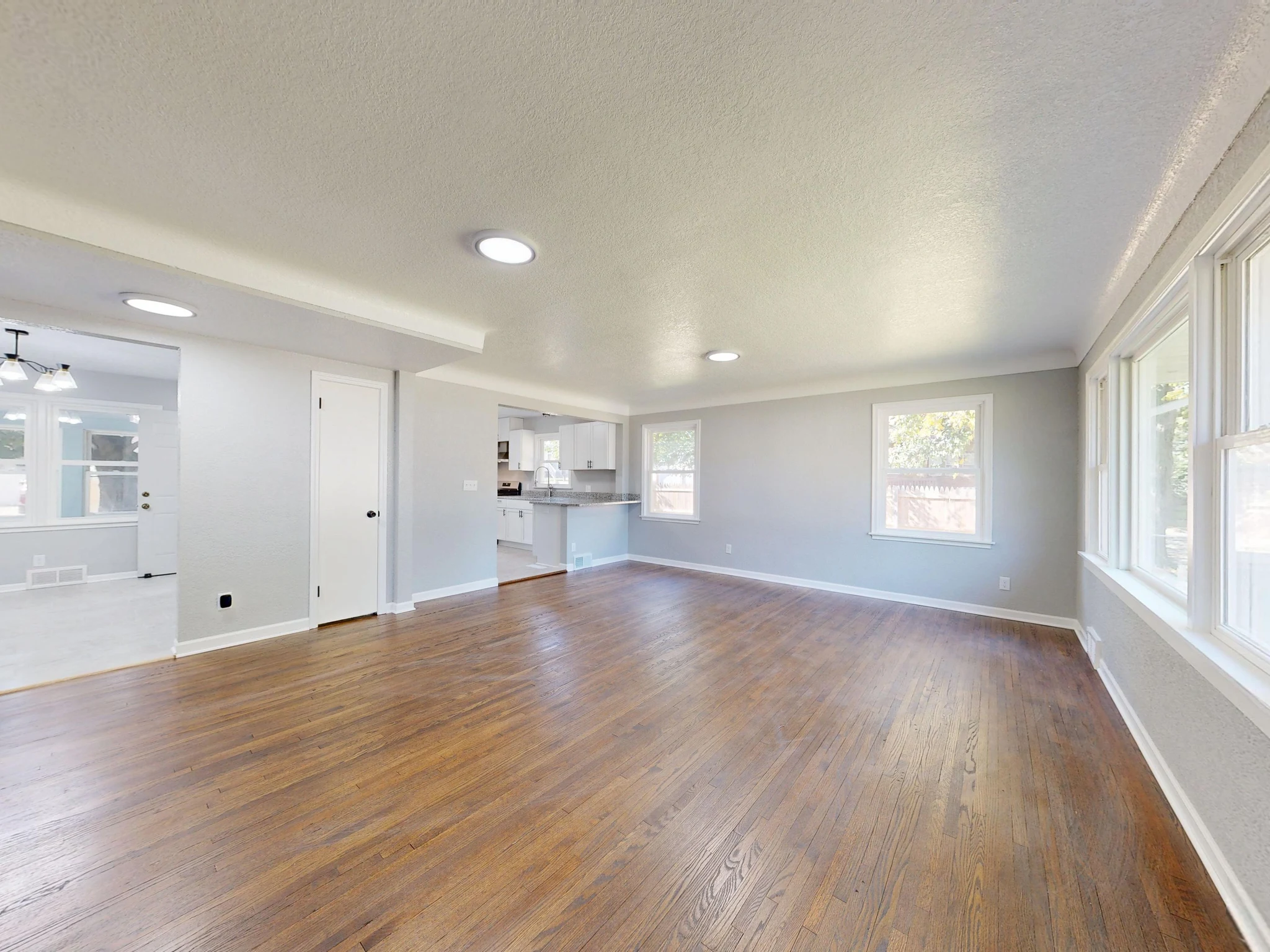
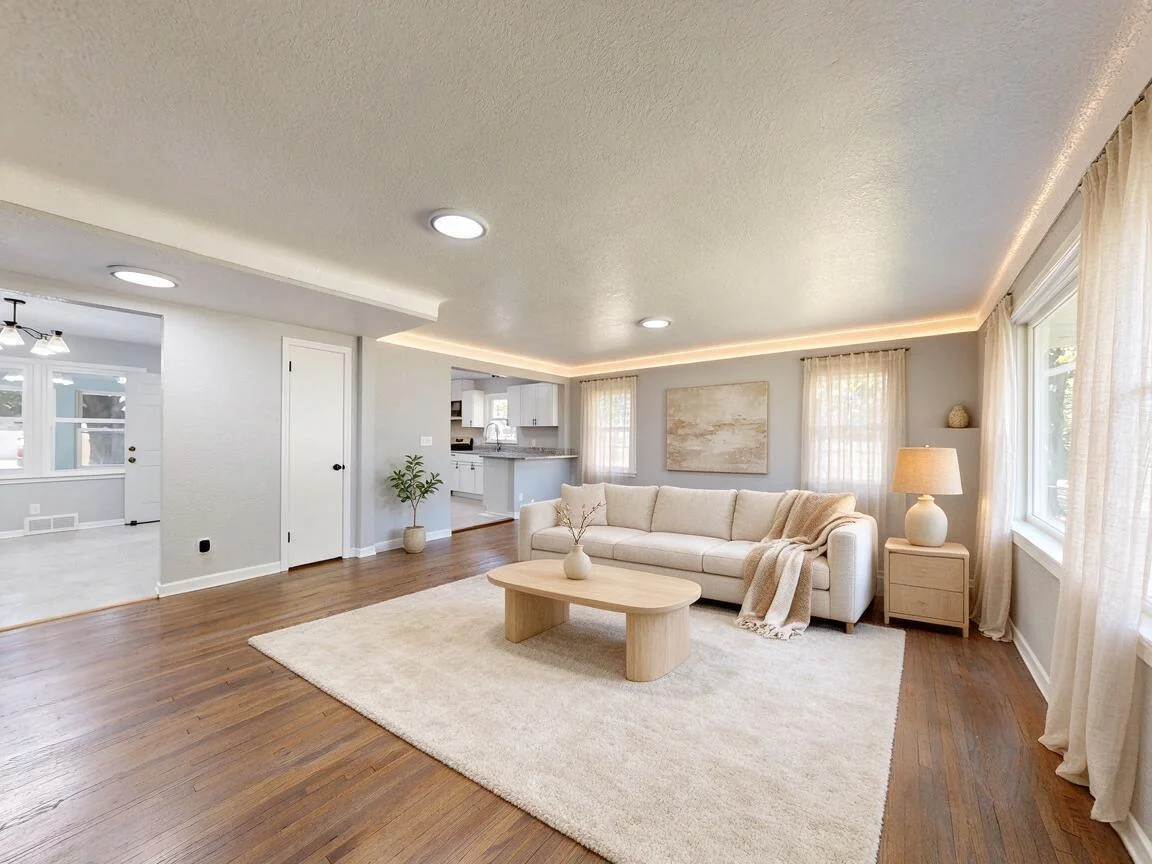
Warm minimalism keeps the discipline of minimalism and swaps its coldness for comfort. The editing is just as strict, but the palette moves from gallery white to oatmeal, oak and clay, and every hard surface is balanced by something soft. It is the quiet room you can actually live in.
Materials and texture
Pale and mid-tone woods, boucle and linen upholstery, clay ceramics and woven details replace the glass and gloss of cooler minimalism. Surfaces stay clear, but texture earns its place — a nubby throw or a grain-heavy table carries the warmth.
Color and light
Off-white, bone, sand and mushroom tones layered rather than contrasted. Light is warm-white and indirect, with sheers instead of bare windows; shadows stay gentle so the calm reads as cozy, not clinical.
Furniture and layout
The same few-piece discipline applies, but silhouettes soften: rounded sofa arms, a low oak table, chairs you actually sink into. Layouts leave generous pathways while grouping seating close enough for conversation.
How to get the look
- Swap pure white walls for warm off-white or light greige
- Choose oak or ash over high-gloss surfaces
- Keep decor sparse but make every piece touchable
- Use warm 2700–3000K lighting throughout
- Resist adding a third color — warmth comes from texture, not paint
Warm minimalism vs Japandi
The two overlap so much that shops use the labels interchangeably. Japandi leans Japanese — lower furniture, darker accents, stricter asymmetry — while warm minimalism stays closer to European minimal rooms with softer upholstery and lighter woods. Choose Japandi for presence; choose warm minimalism for softness.
Palette
See this style on your own photo
Upload one ordinary phone photo and see your room restyled in about seventeen seconds.
Common questions
What is warm minimalist style?
Minimalist editing with a warm material palette: oak and linen instead of gloss and glass, off-white instead of stark white, soft lighting instead of showroom brightness.
How is warm minimalism different from Japandi?
They are close cousins. Japandi adds Japanese elements — lower furniture, darker contrast, asymmetric arrangements — while warm minimalism stays within a softer European vocabulary.
Can AI preview warm minimalism in my room?
Yes. Upload one photo and you will see an AI-generated warm-minimalist concept for your room. Results typically keep your walls, windows and layout recognizable; treat the image as inspiration.