Styles · B
Modern Minimalist Interior Design
Minimalism's today edition: warmer woods, softer edges, same discipline.
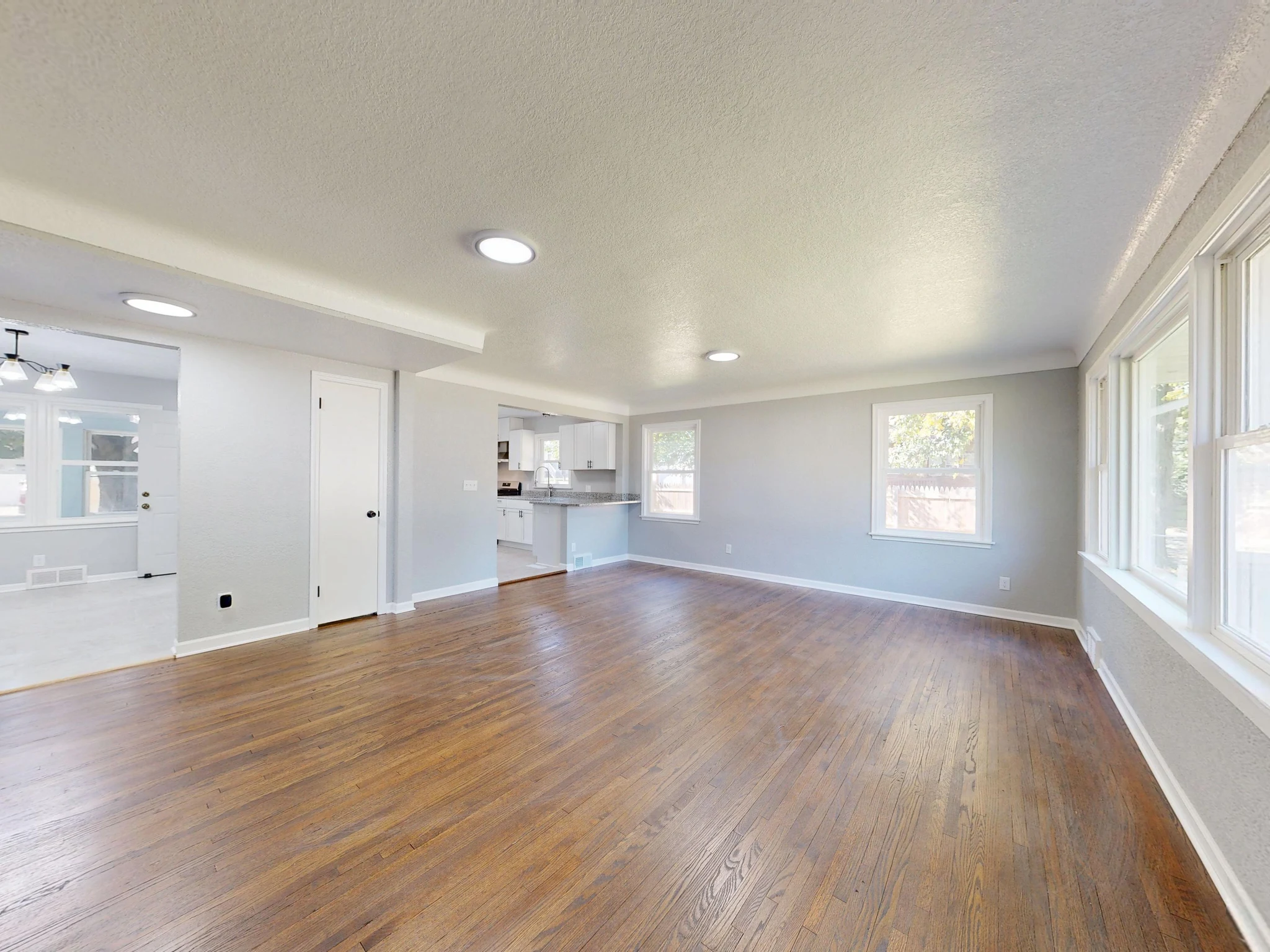
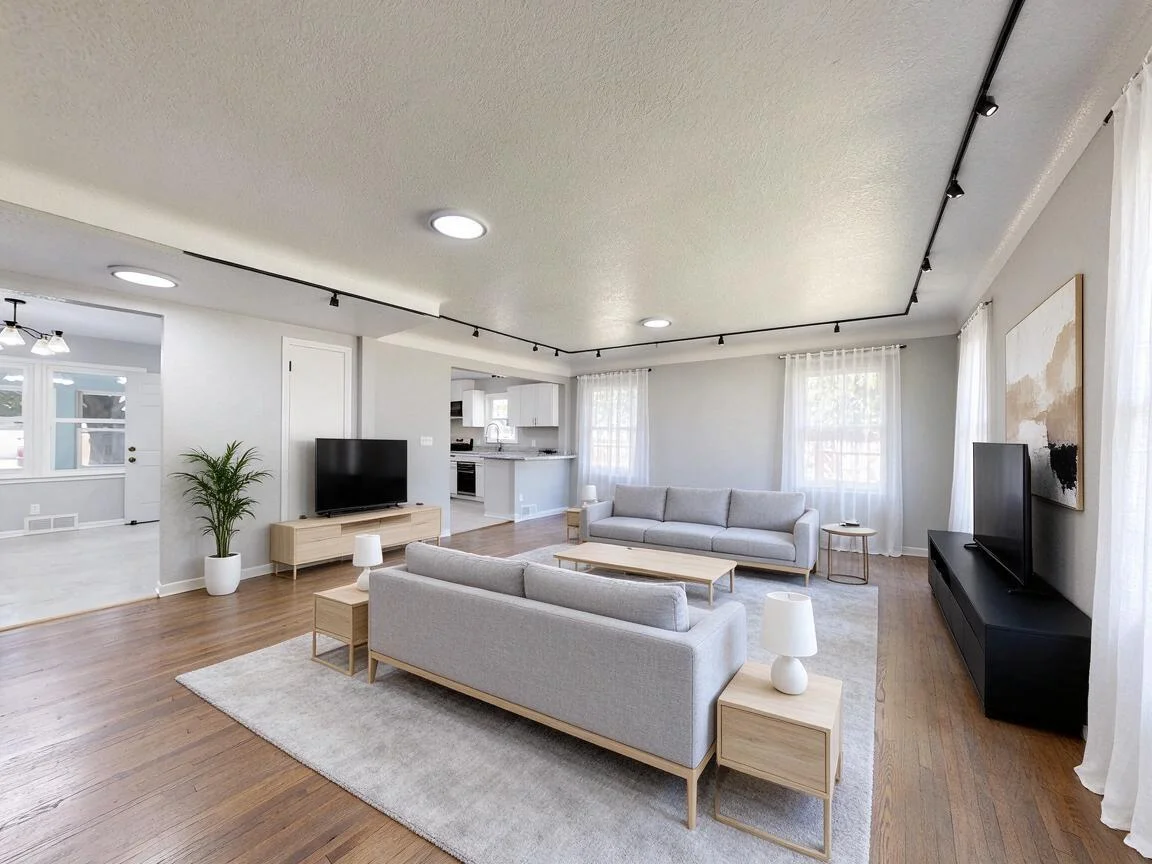
Modern minimalism is minimalism updated for how people actually want to live now: the same editing discipline, but with pale oak instead of high-gloss white, rounded instead of hard edges, and warmth allowed back into the palette. It reads calm and friendly rather than severe.
Materials and texture
Light woods, matte stone, micro-cement and soft-reeded glass replace the cold shine of older minimalism. Textiles stay minimal but tactile — a wool rug, cotton-linen bedding — proving the room is lived in, not staged.
Color and light
Off-white, greige and pale wood form the base with one muted accent — sage, clay or black. Light stays bright but diffused; ceiling coves and paper shades soften what used to be spotlights.
Furniture and layout
The piece count stays low but silhouettes relax: rounded sofa arms, oval tables, storage with push-touch fronts instead of handles. Layouts keep generous circulation and clear vertical sightlines.
How to get the look
- Choose pale oak or ash as the single wood tone
- Round the edges: curved sofas, oval tables, arched niches
- Keep the palette to off-white, greige and one muted accent
- Use closed storage with handle-less fronts
- Soften all lighting to warm and indirect
Modern minimalist vs Japandi
Both are warm-leaning minimal styles, and the line is thin. Japandi adds Japanese craft cues — darker woods, paper and rattan, ritual symmetry — while modern minimalism stays lighter, rounder and more scandinavian-adjacent. If Japandi feels ceremonial, modern minimalism feels like a bright apartment on a Sunday.
Palette
See this style on your own photo
Upload one ordinary phone photo and see your room restyled in about seventeen seconds.
Common questions
What is modern minimalist style?
Minimalism's current interpretation: the same editing discipline with pale woods, rounded edges, soft-neutral palettes and warm diffused light instead of stark severity.
Is modern minimalist suitable for families?
More than classic minimalism — rounded edges, washable matte textiles and closed storage make it one of the more family-friendly restrained styles.
Can AI preview modern minimalism in my room?
Yes. Upload one photo and you will see an AI-generated modern-minimalist concept for your room. Results typically keep your walls, windows and layout recognizable; treat the image as inspiration.