Styles · B
Quiet Luxury Interior Design
No logos, all substance: cashmere, stone and tailoring that whispers.
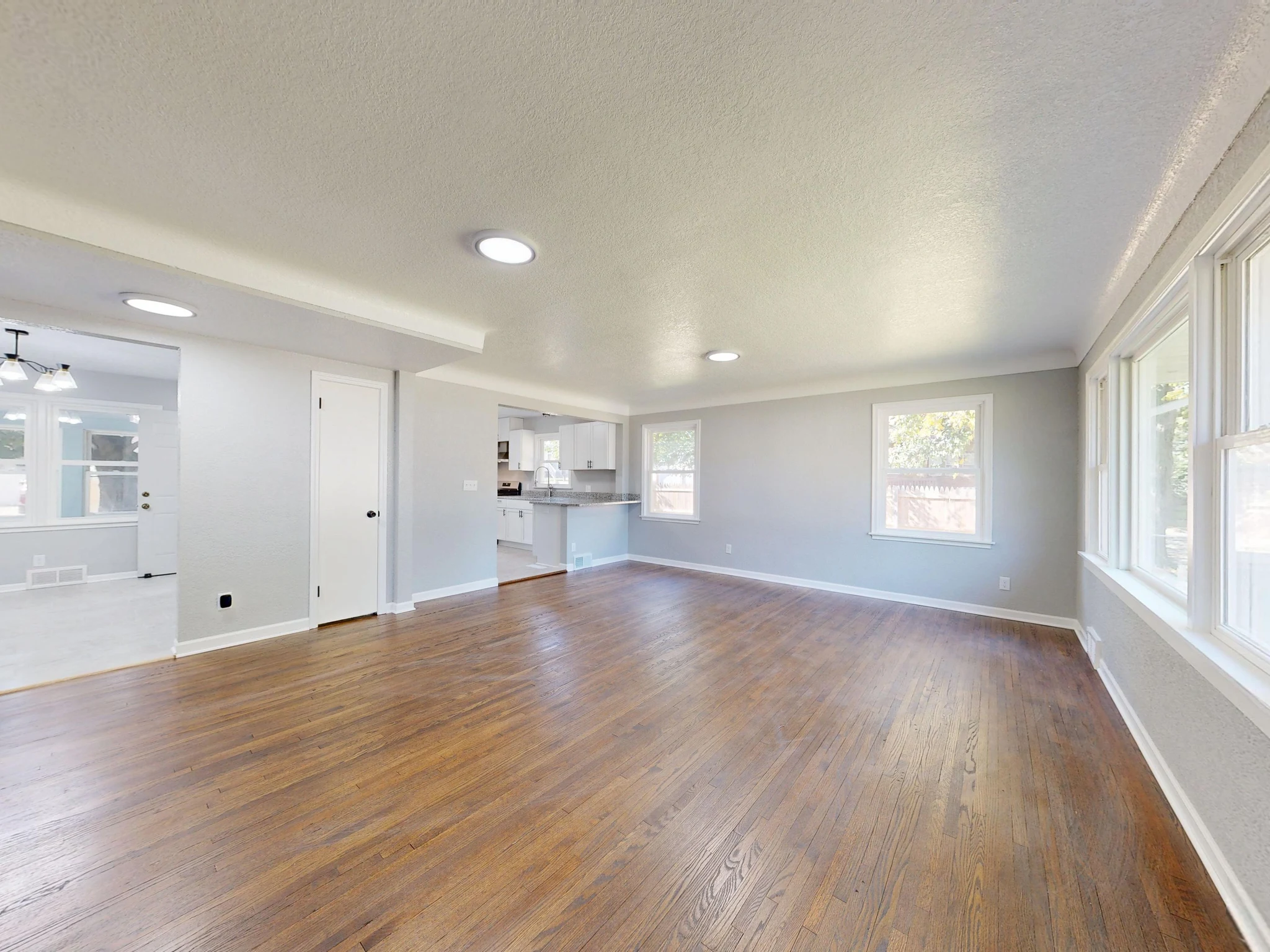
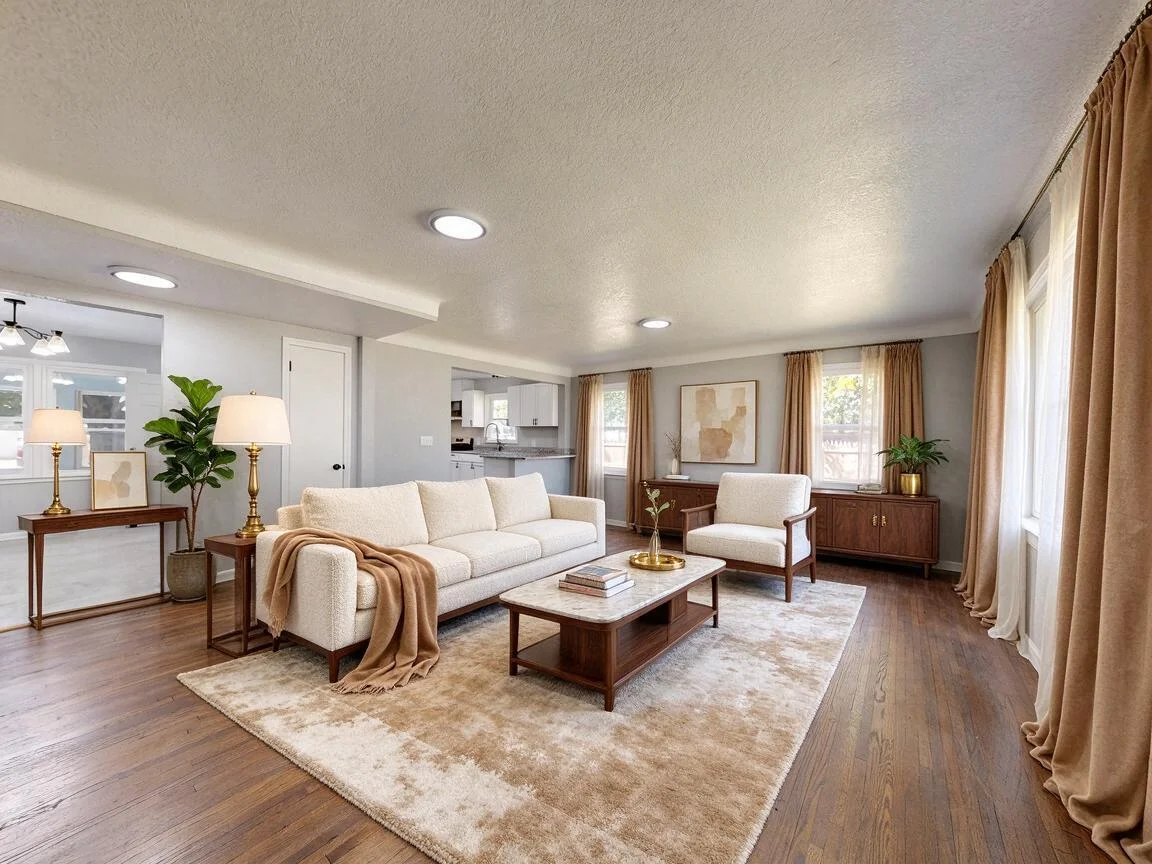
Quiet luxury is luxury that never announces itself: no logos, no glitter, no trend colors. The budget hides in materials — cashmere throws, honed stone, bespoke joinery — and in tailoring, so cushions sit plump, drapes fall in perfect columns and nothing squeaks, shakes or shines cheaply.
Materials and texture
The choice of materials matters more than color: honed marble, smoked oak, brushed plaster, wool-silk blends, unpolished brass. Everything is matte or satin; gloss is the tell of trying too hard.
Color and light
Tonal dressing in greige, taupe, mushroom and espresso — colors that flatter materials rather than demand attention. Light is layered and warm, always dimmable, with fixtures that recede into joinery.
Furniture and layout
Fewer, deeper, better: a generously scaled sofa with knife-edge cushions, a heavy dining table with a soft-honed top, drapes that brush the floor. Layouts are spacious and symmetrical enough to feel composed without feeling staged.
How to get the look
- Spend on seam quality and cushion fill before spending on labels
- Choose honed, matte stone over polished shine
- Keep the palette tonal — one hue family, varied by texture
- Replace shiny hardware with unpolished brass or bronze
- Tailor soft furnishings: floor-length drapes, fitted covers
Quiet luxury vs modern luxury
Two kinds of quiet with different accents. Modern luxury plays with spectacle — statement stone, dramatic light, glass and gloss. Quiet luxury refuses spectacle altogether: its statement is that you cannot find one. Both are expensive; only one expects you to notice.
Palette
See this style on your own photo
Upload one ordinary phone photo and see your room restyled in about seventeen seconds.
Common questions
What is quiet luxury interior style?
Understated luxury expressed through material quality and tailoring — cashmere, honed stone, bespoke joinery in tonal palettes — with no logos, gloss or trend colors.
Is quiet luxury the same as minimalism?
They can overlap, but quiet luxury is about material investment rather than quantity. A quiet-luxury room may hold plenty of furniture as long as every piece is tailored and substantial.
Can AI preview quiet luxury in my room?
Yes. Upload one photo and you will see an AI-generated quiet-luxury concept for your room. Results typically keep your walls, windows and layout recognizable; treat the image as inspiration.