Styles · B
Italian Minimalist Interior Design
Minimalism with tailoring: stone, walnut and precise lines — luxury in restraint.
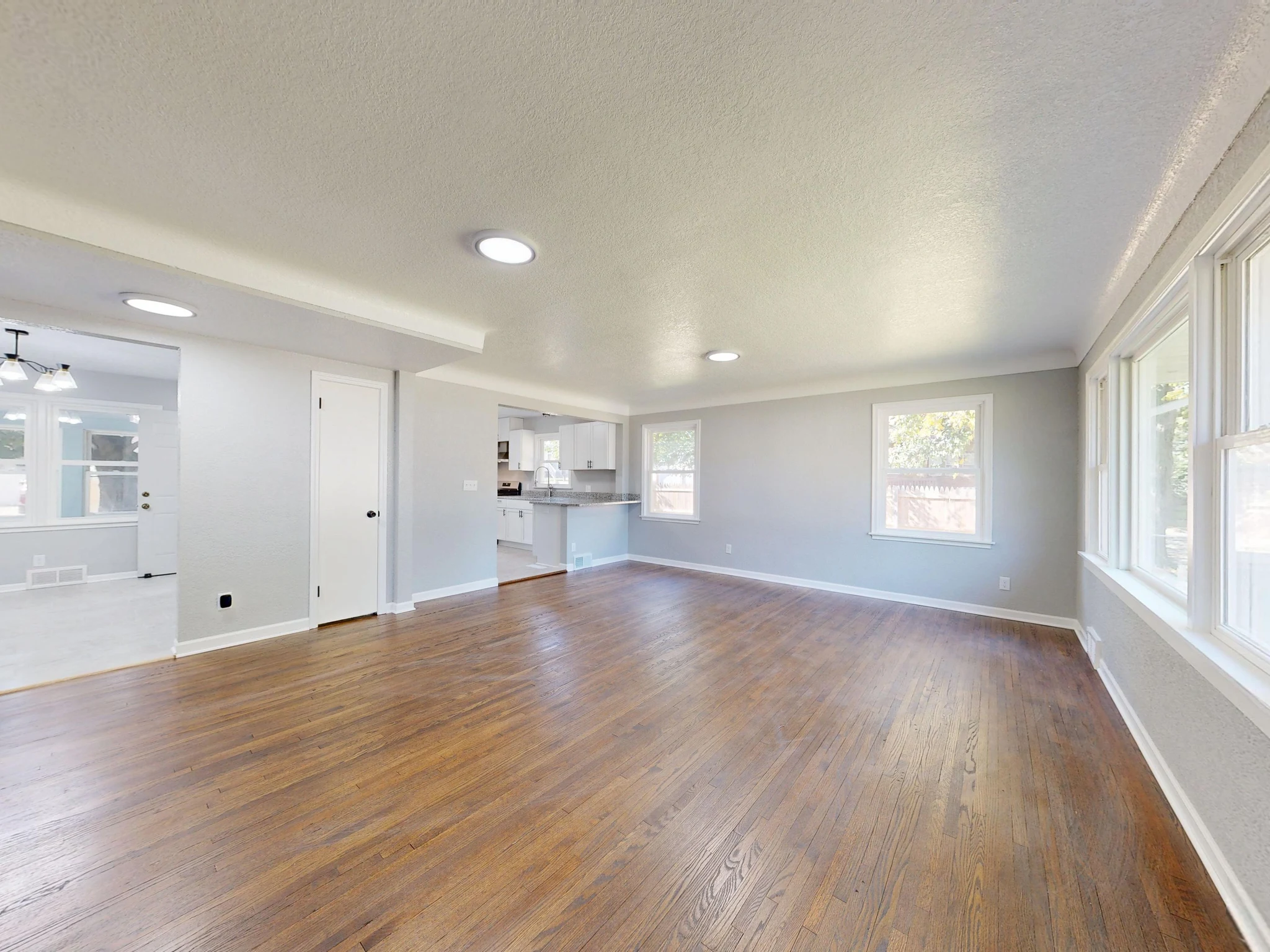
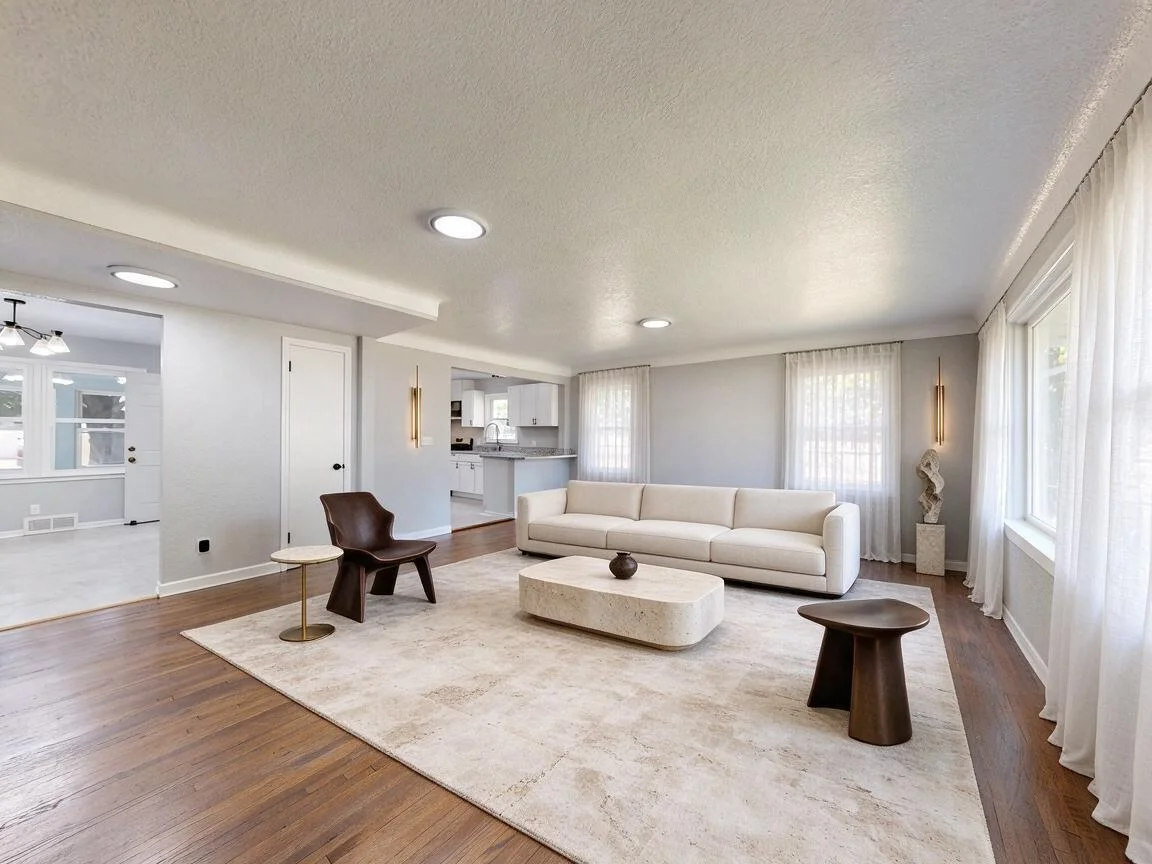
Italian minimalism is what happens when Milanese tailoring meets minimalism: still spare, but every surface is considered and every joint is precise. Where pure minimalism accepts humble materials, the italian version insists on book-matched marble, fine walnut and upholstery with couture-level seams.
Materials and texture
The material list reads like a fashion house's supplier catalog: calacatta and travertine, smoked walnut, brushed brass, wool-silk blends. Nothing is ornamental; the stone's veining and the leather's grain provide all the pattern.
Color and light
A tight palette of greige, taupe, camel and espresso against off-white, lit like a showroom: layered pools of warm light, no visible fixtures doing the work. Contrast comes from material weight — stone against fabric, metal against wood — never from color.
Furniture and layout
Pieces are architectural: platform sofas with knife-edge seams, tables that cantilever, cabinetry flush to the wall. Layouts are generous and symmetrical, treating the seating group as a composition on a stone floor.
How to get the look
- Choose one luxury stone and use it twice — table, plinth or hearth
- Buy fewer sofas but the best seam quality you can afford
- Keep walls off-white; let stone and walnut carry pattern
- Light in warm pools; hide every fixture you can
- Keep accessories to ceramics and books — nothing plastic
Italian minimalist vs minimalist
Minimalism asks for less; italian minimalism asks for better. Both remove clutter and ornament, but the italian version keeps material luxury — marble, walnut, tailored seams — so the room feels rich in its restraint. Think of it as minimalism wearing a well-cut coat.
Palette
See this style on your own photo
Upload one ordinary phone photo and see your room restyled in about seventeen seconds.
Common questions
What is italian minimalist style?
Minimalism with luxury materials: precise lines and uncluttered rooms finished in marble, fine walnut, brushed metal and tailored upholstery — restraint executed at high quality.
Is italian minimalist style expensive?
It can be — the style leans on material quality rather than quantity. The affordable route is fewer, better pieces and stone-look finishes rather than full renovation.
Can AI preview italian minimalism in my room?
Yes. Upload one photo and you will see an AI-generated concept for your room. Results typically keep your walls, windows and layout recognizable; treat the image as inspiration.